

Veo Camera
Best camera tripod for sports recording
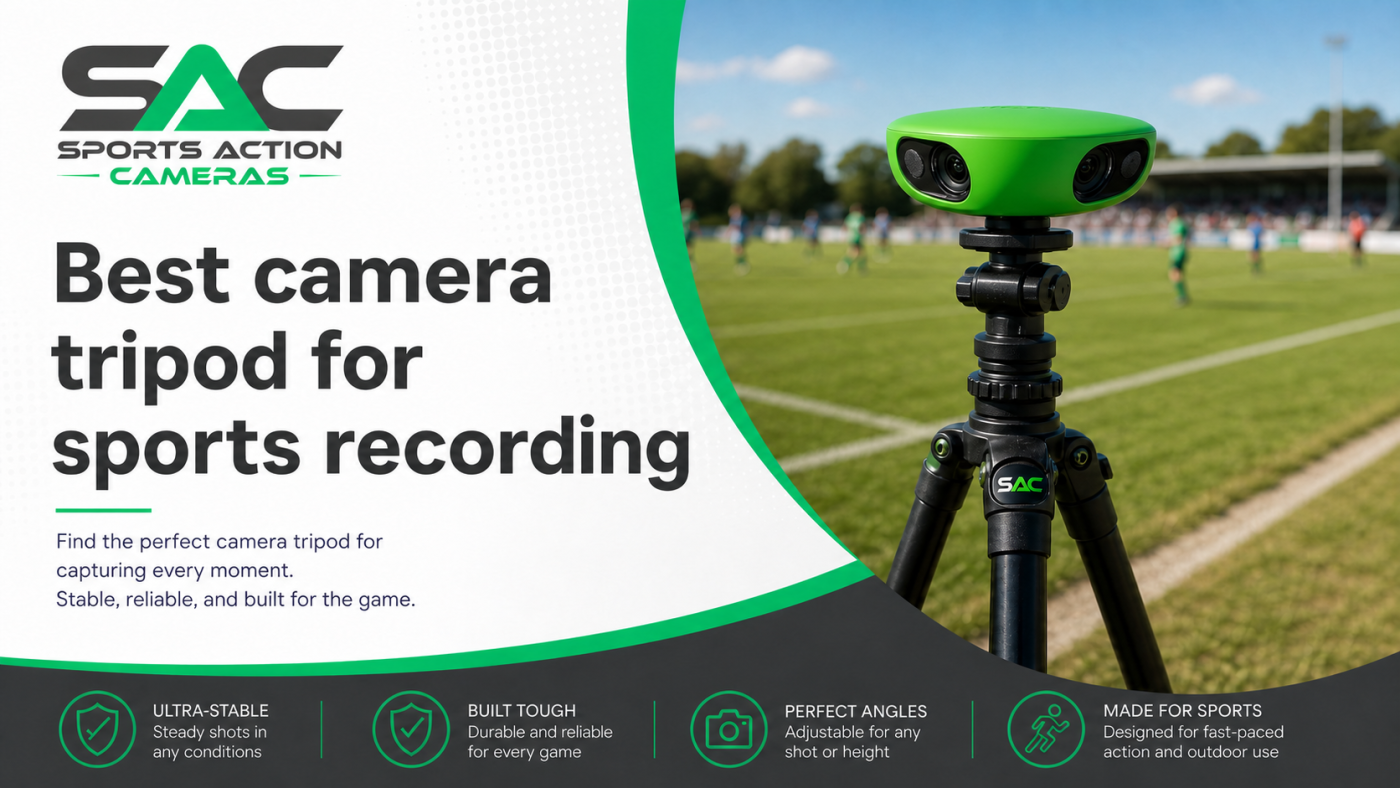
If your camera is meant to record the full game, the tripod is not a side purchase. It is the difference between clean, usable footage and a setup that shakes in the wind, sags during the second half, or simply cannot get high enough to see the far side of the pitch. For any club, coach or school investing in a camera tripod for sports recording, the real job is simple – keep the camera stable, elevated and reliable from kick-off to final whistle.
That matters even more when you are filming for coaching review, player development, highlights or livestreaming. A poor tripod can undermine a very good camera system. A well-matched tripod turns that same system into something your staff can trust every week.
What makes a camera tripod for sports recording different?
A standard photography tripod is often built for controlled conditions. Sports recording is different. You are setting up on uneven grass, hard courts, sidelines, behind goals, and sometimes in windy conditions with limited time before the match starts. The tripod needs to do more than hold weight. It needs to work in real sporting environments.
Height is usually the first non-negotiable. In team sports, recording from too low an angle creates problems straight away. Players block the frame, the ball disappears behind bodies, and the far side of the field becomes harder to read. A tripod for sports recording needs enough elevation to give the camera a clear view across the whole playing area.
Stability is just as important. On match day, a lightweight bargain tripod can look fine during setup and still become a problem once the wind picks up or someone brushes past it on the sideline. If the footage is intended for tactical review or automated tracking, movement at the base can affect the quality of the recording.
Portability still matters, though. Coaches and team staff are already carrying enough gear. There is no point buying a tripod that delivers great height but is so awkward that nobody wants to transport it to training or away games.
Height comes first for field and court sports
For most team sports, the biggest buying mistake is choosing a tripod that is too short. If you are recording football, AFL, rugby league, rugby union, hockey or touch football, you need enough height to capture play patterns rather than just the nearest contest. Even for indoor sports like basketball, futsal, netball and volleyball, extra elevation usually produces cleaner, more useful footage.
This is where sports-specific tripod selection matters. The right tripod should suit the size of the playing area and the way your camera records. Some AI-powered sports cameras are designed to perform best from an elevated central position. If the tripod cannot deliver that angle safely, you are limiting the system before the game even starts.
There is always a trade-off here. More height can mean more flex if the tripod is poorly built. That is why build quality matters just as much as maximum extension. A tall tripod is only an advantage if it stays steady once fully deployed.
Why carbon fibre often makes sense
If your team records regularly, carbon fibre is worth serious consideration. It is lighter than heavier metal alternatives, easier to carry, and typically better suited to repeated transport across sports grounds and venues. For clubs moving gear between training sessions, weekend fixtures and tournaments, reduced carry weight is not a small benefit.
Carbon fibre also tends to suit the pace of sport. You can move faster, set up faster and pack down faster. That matters for schools with tight staff schedules and for clubs relying on volunteers or part-time coaching staff.
The downside is cost. Carbon fibre tripods are usually more expensive upfront. But for organisations that record every game or manage multiple teams, that extra spend often pays for itself in durability, ease of use and fewer setup headaches across the season.
A camera tripod for sports recording needs proper leg strength
Tripod specs can look impressive on paper, but sports users should pay close attention to leg construction and locking systems. A tripod set at full height on grass or synthetic turf needs firm leg sections and dependable locks. If those sections twist, slip or feel soft under load, the setup becomes less reliable.
This is especially relevant when the camera is mounted high and exposed to breeze. Small weakness at the legs becomes bigger movement at the top. That can mean vibration in footage, inconsistent framing or reduced confidence in the entire setup.
Leg spread matters too. A wider, more planted stance generally improves stability, particularly outdoors. On the other hand, if you are recording in tighter indoor venues, the tripod still needs enough flexibility to fit behind baselines, near courts or in restricted access zones. It depends on your sport and venue mix.
Match-day conditions matter more than showroom specs
A tripod might look excellent in a warehouse or office. The real test is whether it performs on a cold Saturday morning with damp grass, gusty wind and twenty minutes to get organised before warm-up ends. Sports buyers should think beyond standard product descriptions and ask how the tripod will behave in actual use.
Will it set up quickly enough for one staff member? Can it hold steady near the touchline? Is it practical to transport in a gear bag or vehicle boot? Does it suit the mounting requirements of your chosen camera? These are better questions than simply asking what the maximum load rating is.
For many clubs, simplicity is a hidden feature. If the tripod is straightforward, more people in the organisation can use it correctly. If it is fiddly, slow or awkward, setup quality becomes inconsistent across teams and staff.
Buying for training is different from buying for competition
Not every team needs the same tripod setup. If you mainly record training, portability may matter more than ultimate height. Sessions move around, drills shift quickly, and staff often need a setup that is easy to reposition. For match recording, especially full-field capture, height and long-duration stability usually move to the top of the list.
Some organisations try to cover both with one tripod, and that can work if the product is genuinely versatile. But if your match footage drives analysis, recruitment, player reviews or family-facing livestreaming, it is worth prioritising game-day performance first.
That is where a complete, sports-specific solution is often the better buy. Rather than patching together a general tripod with adapters and guesswork, clubs tend to get better results when the tripod is chosen to suit the camera system from the start.
Don’t overlook transport, storage and setup time
A tripod can be technically excellent and still be the wrong choice for your programme. If it is too long when folded, it may be awkward for minibuses, school storage rooms or shared equipment cupboards. If it lacks a proper carry solution, it becomes harder to move safely between venues.
Setup time also affects consistency. A tripod that takes too long to extend and level is more likely to be rushed. Rushed setup often leads to poor camera position, unstable footing or forgotten adjustments. Over a season, those small issues add up.
For busy Australian clubs and schools, practical reliability wins. You want gear that staff can unpack, position and trust without turning every fixture into a technical exercise.
The right tripod supports the whole recording system
The strongest reason to take tripod selection seriously is that it protects your wider investment. If you are using an AI sports camera for recording, analysis and livestreaming, the tripod is not separate from performance. It is part of the system. Camera quality, software capability and match review value all depend on getting the physical setup right.
That is why experienced buyers look for compatibility, sport-specific design and local support rather than the cheapest generic option. A proper camera tripod for sports recording should help your team record every game with confidence, not create extra work on the sideline.
For Australian clubs, schools and performance programmes, that confidence matters. When the gear arrives quickly, suits the camera properly and is backed by local support, setup becomes easier and footage becomes more dependable. Sports Action Cameras Australia focuses on that kind of fit-for-purpose solution because teams do not need more guesswork – they need gear that is ready for the season.
Choose the tripod like it will be used every week, in real conditions, by busy people. That is usually the decision that keeps paying off long after the first match is recorded.